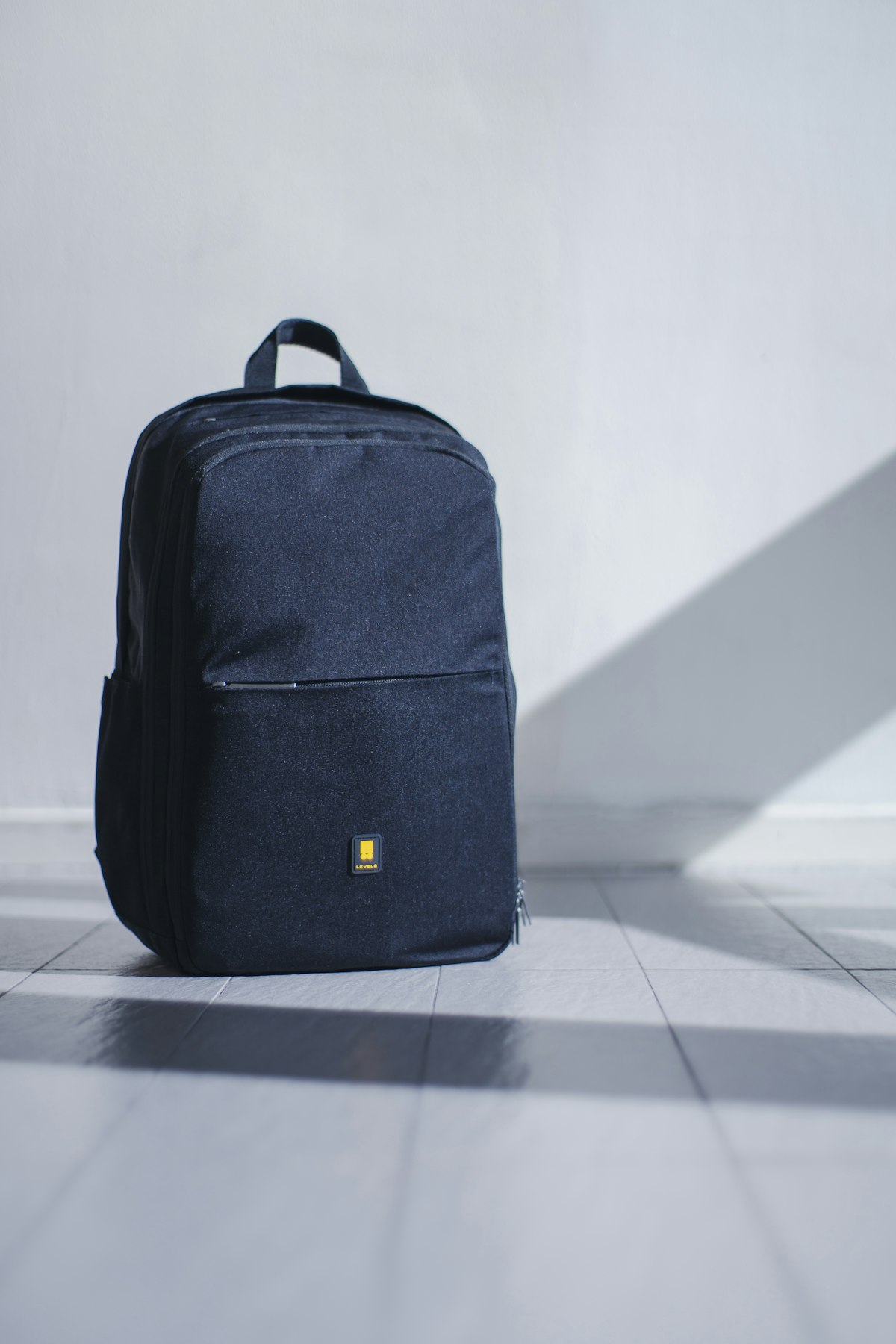
Overpacking is one of the most common travel mistakes, and Tirana is a destination where the consequences are particularly felt. The city is best explored on foot, often on uneven cobblestones, across distances that make a heavy bag a genuine liability. Packing well for Tirana means packing light — and understanding what you actually need versus what you'll carry pointlessly for a week.
This guide breaks down packing by season, covers the practical essentials that many people forget, and explains what you can comfortably buy in Tirana rather than bringing from home.
Packing by Season
Spring (March–May)
Spring in Tirana can be genuinely beautiful — warm sunny days in the mid-teens to low 20s Celsius, with occasional rain showers. It's the most variable season, and layering is essential.
- Light to mid-weight layers (T-shirts plus a long-sleeved shirt or light jumper)
- A packable waterproof jacket or rain layer
- One warmer layer for evenings (a light fleece or cardigan)
- Comfortable walking shoes suitable for wet cobblestones
Summer (June–August)
Tirana summers are hot — temperatures regularly reach 35°C and above in July and August. The city is not heavily air-conditioned outside hotels and larger restaurants. Comfort comes from breathable fabrics and sun protection rather than extra clothing.
- Lightweight, breathable clothing (linen, cotton)
- A hat and sunglasses — the sun is strong and Skanderbeg Square has no shade
- High-SPF sunscreen (available in Tirana but expensive at pharmacies)
- A light layer for air-conditioned restaurants and transport
- Sandals or lightweight shoes (reduce sock-based footwear where possible in the heat)
Autumn (September–November)
One of the best times to visit. September is warm and clear; October and November bring cooler temperatures and more rain. A similar layering approach to spring applies, with slightly warmer base layers from October onwards.
Winter (December–February)
Tirana winters are mild by Central European standards but genuinely cold — typically 5–12°C with rain, and occasional frost. Snowfall in the city is uncommon but not impossible.
- A proper winter coat or padded jacket
- Warm layers (fleece or thick knitwear)
- Waterproof footwear — cobblestones become slippery and puddles are deep
- Scarf, hat, and gloves
Footwear: The Critical Choice
More than almost any other item, your shoes will determine your comfort in Tirana. The city has a mix of modern pavements, old cobblestones, and occasional rough ground around historic sites. A few rules:
- Avoid anything with a thin or smooth sole. Flip-flops and dress shoes are miserable on wet cobblestones.
- Trainers or comfortable walking shoes work for most of the year.
- In summer, well-cushioned sandals with a strap are manageable in the city but bring a backup pair for day trips to sites like Apollonia or castle climbs.
- In winter, waterproof ankle boots with grip are the right choice.
One pair of comfortable walking shoes and one dressier pair (for evenings in Blloku or a nicer restaurant) is usually sufficient for a stay of up to a week.
Store your bags at Bablock
24/7 automated lockers in central Tirana. No booking needed. From 150 ALL per hour.
See PricesTravel Documents and Money
Currency: Albania uses the Albanian lek (ALL). As of 2025, roughly 1 EUR ≈ 100–105 ALL. Currency exchange is widely available in the centre — avoid airport exchange desks, which offer poor rates. ATMs are plentiful and usually the most convenient option. Notify your bank before travel to avoid your card being blocked.
Many central Tirana restaurants and larger shops now accept cards, but smaller establishments, markets, and transportation still require cash. Carry a mix.
Documents: EU/EEA and UK citizens, as well as many others, can enter Albania visa-free for stays up to 90 days. Check current requirements for your nationality. Carry your passport (not just a photocopy) as it's required for most hotel check-ins and car rentals.
Health: European Health Insurance Cards (EHIC) are not accepted in Albania. Travel insurance with medical cover is strongly recommended.
Day Pack vs. Main Luggage
One of the most useful things you can pack is a lightweight foldable daypack. This serves as your everyday bag while your main luggage is at your accommodation or stored in a locker. A 15–20L packable bag adds almost no weight to your main bag and makes daily exploration much more flexible.
The practical split:
- Main luggage: Clothes, toiletries, shoes, chargers, anything you don't need during the day.
- Daypack: Water, phone, wallet, camera, light layer, and whatever you're using that day.
This combination works especially well if you're checking out and want to explore before an evening flight — store the main bag at Bablock's lockers and move through the city with just your daypack.
What to Leave Behind
The following items are commonly over-packed and can be left at home or bought in Tirana if needed:
- Multiple pairs of jeans. They're heavy and take forever to dry. One pair maximum, two lightweight trousers instead.
- A full first-aid kit. Basic pharmacies (apoteka) are ubiquitous in Tirana. Bring prescription medication, but leave the full kit.
- Guidebooks. Albania is well-covered by online resources. Physical guidebooks are heavy and quickly outdated.
- Excessive toiletries. Tirana has supermarkets and pharmacies. Shampoo, toothpaste, and basic cosmetics are all readily available and inexpensive.
- Formal eveningwear. Unless attending a specific formal event, Tirana's restaurants are smart-casual at most.
What to Buy in Tirana
Several things are notably cheaper or better quality in Tirana than what you might bring:
- Coffee: Albanian espresso is excellent and extremely cheap. You won't need to bring your own.
- Rakia and local spirits: Buy as gifts at Pazari i Ri on your last day rather than carrying from home.
- Olive oil and local food products: Available at the market, far better than anything you'd import.
- SIM card: A local Albanian SIM from Vodafone Albania or ALBtelecom costs very little and gives you fast mobile data for navigation and Bolt throughout your trip.
Pack light, travel flexibly, and remember that the goal of a good bag is to make you forget it exists.